

20th International Foundry Exhibition, IFEX 2024 on 2,3 & 4th February
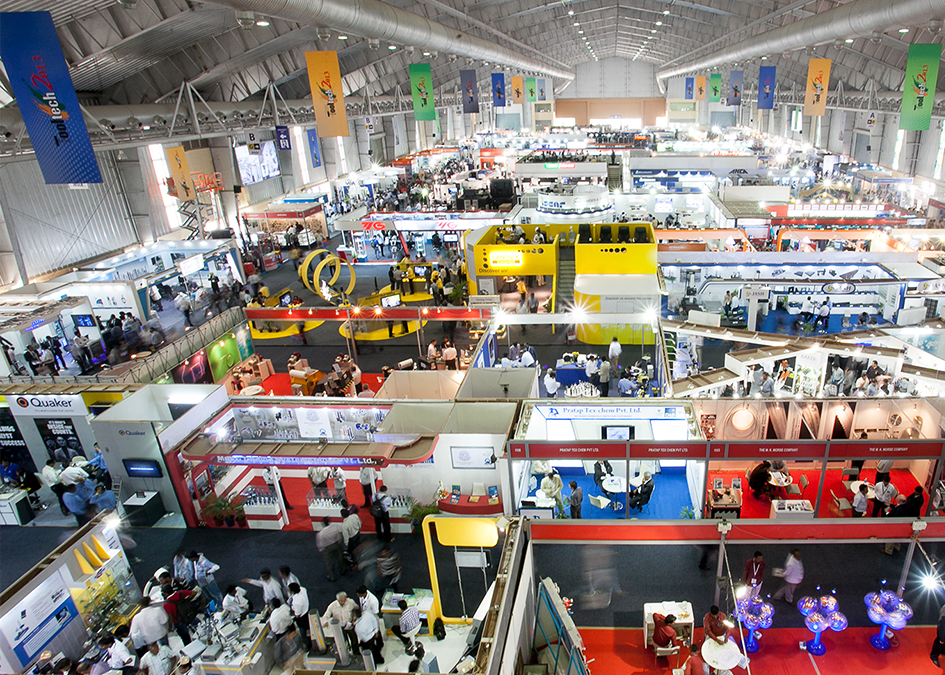
Event details: Date: 02, 03 & 04 February 2024 Venue: Bengaluru International Exhibition Centre, 10th Mile, Tumkur Main Road, Madavara Post, Dasanapura, Hobli, Bengaluru, Karnataka 562123 Exhibition Hall: Hall No. 4 and Hall No. 5 Visiting Hours: 10:00 am to 06:00 pm Entry From: Technical Centre Gate The 20th International Foundry Exhibition, IFEX 2024 is the largest Foundry show hosted by India and is the signature event of the Institute of Indian Foundrymen (IIF). The current edition of IFEX will be held at Bangalore International Exhibition Centre (BIEC), Bengaluru, during the dates 02, 03 & 04 February 2024. IFEX will draw visitors and exhibitors from around the world, creating a dynamic environment for networking, collaboration, and the exchange of ideas. Concurrent Events with IFEX 24 72nd Indian Foundry Congress: Southern Region of The Institute of Indian Foundrymen (IIF) is pleased to have the opportunity to host the 72nd Indian Foundry Congress themed as ‘Unleashing the Opportunities’. Stalwarts from the Industry will deliberate and offer valuable insights on Growth Aspects, Competitiveness and Future Readiness over the 3 days of the 72nd Indian Foundry Congress. Cast India Expo 2024: Cast India Expo is a platform for the Indian Casting Manufacturers to display their casting manufacturing capacities and capabilities. The presence of these casting manufacturers as exhibitors in the same venue will provide a ready customer base for Indian and International suppliers. LFC EXPO 2024: Lost-foam casting (LFC) is the latest and the upcoming casting method. For the first time in India, we are excited to host the Lost Foam India Expo. Be a part of this and multi-fold your manufacturing ecosystem for a brighter future.
Russia’s temporary metal export duty will come into effect from August 1st

As per Andrey Belousov, First Deputy Prime Minister of Russia, the newly imposed export duty will likely bring in total $2.15 billion (₽163 billion) in revenue into the federal budget. The move is meant to cooldown domestic metal prices, after a previous such measure, effective in the first half of the current year was not able to stop metals price inflation. The newly proposed duties are termed temporary and would be in effect till Dec 2021. As per the Russian Federal Government’s Decree No. 988 of June 25, a stipulated 15% export duty will be levied on all steel — semi-finished and finished — as well as on copper nickel, and low-grade aluminum. Duty will be levied in the metals leaving the country and the wider Eurasian Economic Union (EAEU). This news piece has been extracted from S&P Global Platts and Metal Miner.
Core Making Process
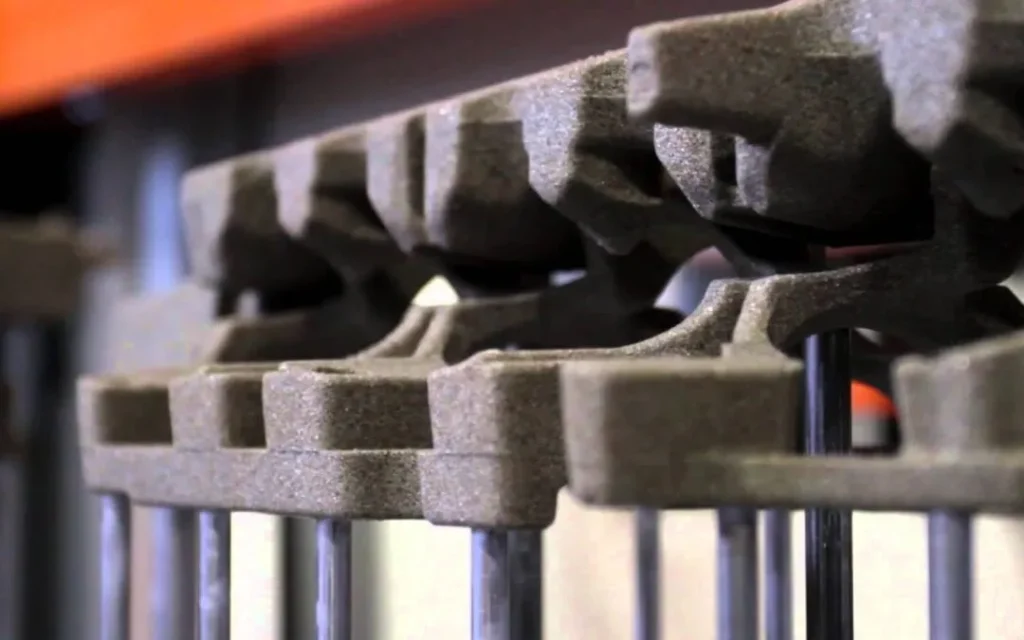
“No man ever wetted clay and then left it, as if there would be bricks by chance and fortune.” – Plutarch Core Making: Back in the days The process of Core Making back in the days, and by that we mean a few thousand years, making sand core was an art, requiring skilled hands of the metal caster and patience. The art of core making has its roots in circa 1300 BC, when sand casting was first developed in the form of clay molding. Since, then the crux of the process has remained the same, but the technical intricacies have evolved to match the requisites of the current era. But Core making was and still remains an integral part of the sand casting process. The process has evolved from crafting cores one at a time with skilled hands to production of thousands of cores with automated core shooters while moderating tolerances to as low as ± 0.020 inches. In modern foundries, its amusing to even think of crafting cores with hand which will further be used for casting anything from centrifugal pump impellers to V8 engines. What are cores? Cores are apparatus used to generate hollow cavities or internal features which cannot be formed using pattern alone in moulding, cores are majorly made using sand, but some processes also use permanent cores made of metal. In this article we will focus on sand core making process. The process of core making 1. Selection of Sand Properties of core sand are highly crucial and are required to have characteristics like permeability, green strength, refractoriness, flowability, collapsibility, adhesiveness, cohesiveness, and fry strength. 2. Mixing of sand with additives After an initial thorough mix of sand to ensure proper distribution of sand granules, binder is added to the silica sand with moisture content and other additives like coal dust, dextrin, or silica flour and together they create a mixture. This mixture should be uniform to create standardized sand cores with high production efficiency. 3. Blowing or Shooting After the mixture is ready, next step includes blowing this flowable mixture into the core box, and depending on the type of process used, either the core box is heated, or the already heated sand mixture is blown into the core box and left to settle for a few seconds. This process is also referred to as core shooting process and modern foundries use dedicated core blowing/shooting machines for optimal production efficiency. 4. Venting In the casting process, the core will be surrounded by molten metal which will stimulate gases inside the mold, and it is essential to provide a venting passage for these gases as if remain entrapped inside the mold, these gases can result in casting defects. Therefore, to obtain good permeability additional venting holes are made in the cores. 5. Reinforcement of Cores Some cores, heavy & large cores in particular, might need additional reinforcement material like cast iron grids or low-carbon steel wires to maintain coherence. 6. Baking of Cores Depending on the type of process used, baking of sand cores is done in convention oven with temperature between 200° C to 250° C (392° F and 482° F), the heat causes the binder to polymerize. 7. Cleaning & Finishing After baking, cores are ready for cleaning & finishing. Following methods are used as per requirement: Trimming of cores involve removing loose pieces and other unwanted projections Brushing is used to remove loose sand off the core with fine wire brush Coating is crucial step for finishing and involves coating of cores with refractory material to improve heat resistance. 8. Inspection This step includes either manual or machine inspection of the cores for dimensional accuracy. 9. Assembling This includes assembling of multiple cores together with core glue in case of small and medium size cores and bolts in case of large cores. Feedback section 1. Want to suggest topic for future blog posts? 2. Think we made a mistake in this post? 3. Want to connect with author? Write an email to contact@foundrycorevent.com
New dates for 15TH ANKIROS & 9TH TURKCAST
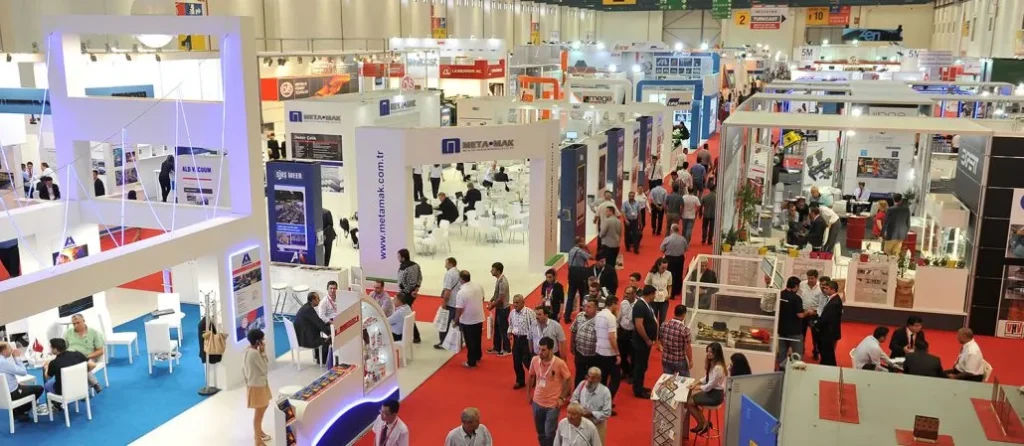
As per the official circular uploaded on Ankiros.com in the month of April this year, 15th ANKIROS & 9th TURKCAST have been postponed to October 6 – 8, 2022. Officially planned to take place in November 2020, was initially postponed till June 2021. Officials considering the ongoing Covid-19 pandemic, held extensive discussion with the exhibitors, industry associations, unions, and the sector representatives, following are the pointers as per the official circular: Gathering participant from over 80 countries would not be favorable amid a pandemic. Ongoing container shortage was restraining exhibitors from shipping their products and machines to the exhibitions. Postponed exhibitions will be held in the same fair ground and same halls, with same conditions, all existing contracts will be valid, and all the rights of the exhibitors will be reserved. Last edition of these international fairs held in 2018 marked attendance of 17,197 industry professionals, including 2,657 international visitors from 86 countries. This news piece has been extracted from the original circular posted on the official site of ANKIROS. Check the official circular here.
What are Core Vents?
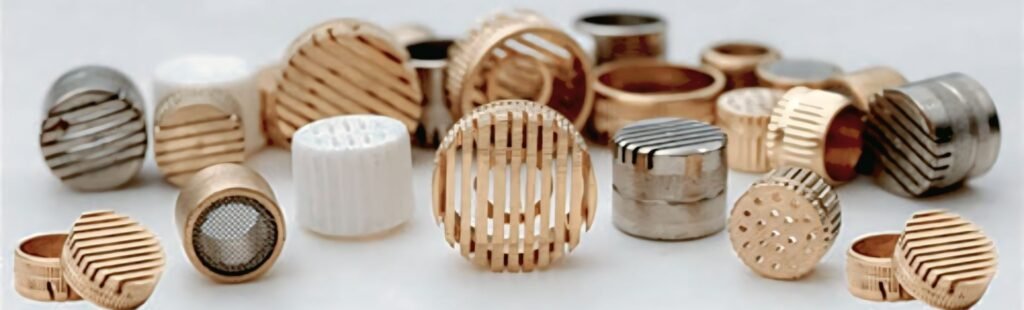
“A good tool improves the way you work. A great tool improves the way you think.” – Jeff Duntemann Core vents are installed to facilitate the release of gases from tooling and effectively fill the core box with sand. Depending on the process involved, i.e., Hot Box, Cold Box or Shell, various resins & catalysts are introduced to the sand, which results in the emission of heat & gas during the core shooting process, these core vents provide a channel for an escape to these elements and provide a smooth finish to the core. Without proper core venting, there remains a possibility of air entrapment which can cause cavity and many other types of core defects. These core vents are necessary for even treatment of the cores with anime gas. Core vents consist of two sections, head & walls. While fitting in the core box, the head section gets in line with the parent surface and results in an even surface with openings that are either slotted or screen depending on the type of core vent used. Slotted Core Vents Screen Core Vents Feedback section 1. Want to suggest topic for future blog posts? 2. Think we made a mistake in this post? 3. Want to connect with author? Write an email to contact@foundrycorevent.com
Foundry: A comprehensive read
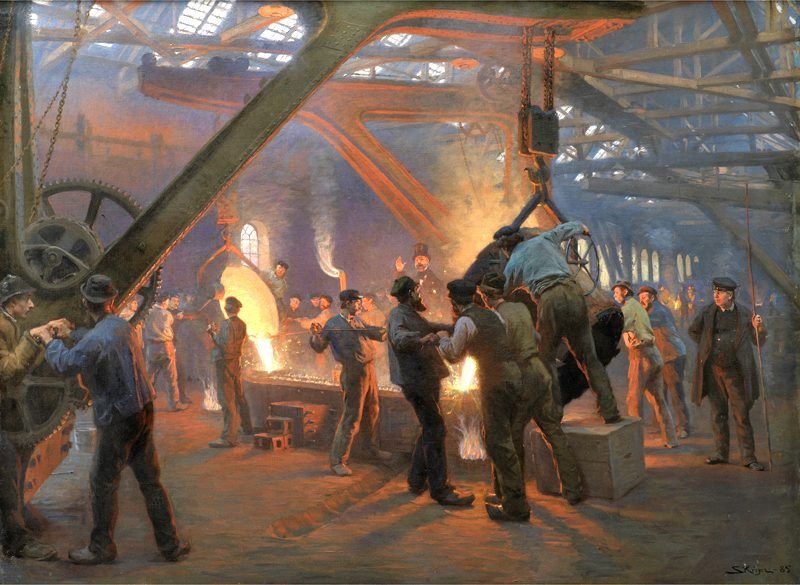
What is a Foundry? A foundry is one of its kind factory or production facility which produce metal castings and offer similar casting related services. Foundries on a broader view follows a similar process: solid metal is melted into liquid, poured into a mold with cavity of shape of the finished product, which is allowed to solidify. On the other end, what comes out is a near finished casting product which after a few finishing operations is ready to be used in anything under the sun. Look around and you will find out that you are surrounded by casting products, from the car you used to commute to work or college this morning to the bridge you passed from and the skyscrapers forming the astonishing city skyline, all of which have these casting products as their backbone. Some of metals used in the casting process by the foundries are, aluminum and cast iron being the most common ones and few other metals, like bronze, brass, steel, magnesium, and zinc. “Don’t judge someone until you’ve stood at his forge and worked with his hammer.” – Rick Riordan Common Terminologies Following are some of the common terms that you might come across while reading this article or strolling through a foundry. 1. Mold These are structures within which molten metal is poured to form a casting. Molds can be classified into temporary (sand molds) made using patterns or permanent (steel molds) machined. 2. Cope & Drag Generally, in the case of sand casting, molds are made into two halves, the upper half being called cope and the lower half called drag. This cross-section allows insertion of core/s in the mold. 3. Cores Cores are apparatus used to generate hollow cavities or internal features which cannot be formed using pattern alone in molding, cores are majorly made using sand, but some processes also use permanent cores made of metal. 4. Tolerance Like any other industrial product, castings also are subjected to industry-standard tolerances. Tolerance can also differ varyingly depending on the process used. Some casting methods provide more control over tolerances than others. 5. Surface Finish This basically refers to how the surface feels at the end of the process or when the casting product is ready. Surface finish can be classified into lay, waviness, and roughness. More terms will be added in our next update. Casting process in the foundry Like mentioned before, irrespective of the finished product, the crux of the process remains standard. The stages of the casting process in a foundry are as following: 1. Melting: As the name suggests, the process involves the melting metal in a furnace. The inputs may include internal scrap, external scrap, and virgin materials. A crucible is used to transfer the molten metal from the furnace to the prepared molds. 2. Degassing: Gases can form in castings due to either chemical reactions in the materials or due entrapment during the casting process. 3. Mold Making: Molds are the parent structures in which molten metal is poured. Molds are made using patterns that are machined in the shape of the desired finish cast product. The pattern usually has two sections, upper or cope and lower or drag. The pattern makes an impression in the parent material and allows the placement of cores. 4. Core Making: Cores are inserted in the mold to facilitate hollow cavities in the finished product. The cores are made using core boxes which are designed as per the requirement of a particular product. Core boxes are installed in core shooting or blowing machines which produces the desired cores with efficiency. 5. Mold Assembling: Depending on the design of the casting product, a certain assembling is required. This is usually the case in molds with multiple and complex cores. Materials like adhesives, filters, and others are used in the assembling process. 6. Pouring: Metal has been melted, molds are assembled, now it’s time for the pour. Molten metal is transferred to the molds in a crucible. And the pouring begins one mold at a time. Pouring is a risky job, Modern foundries use automatic pouring machines for the process. 7. Shakeout: Once the molten metal sets in the molds and solidifies, the molds are sent for shakeout. The step is particularly used in the sand casting process, where the sand mold and sand cores are removed from the casting product using a shaking or vibrating machine. 8. Degating: This step includes the removal of risers, runners, and gates. Formed as per the design of the mold, these parts are formed with the cast product, they are removed using myriad tools like sledgehammers, cutting torches, knockoff machinery, etc. These parts are again sent for melting as internal scrap as mentioned in the first step. 9. Heat Treatment: This treatment is necessary to change to the physical and chemical composition of the material. Treatment includes heating and chilling to extreme temperatures, to get the desired hardening or softening of the material. 10. Cleaning & Finishing: After all the above steps, surface cleaning of the casting is done to remove any sand granules or other unwanted substances. Finishing involves sanding, grinding, and machining of the casting. This is done to achieve the accuracy of the finished product and to comply with the tolerances. Types of casting processes All foundries produce casting products, but they are differentiated by the process they use to produce those finished castings. Selection of process is a complex task in itself and require considering many factors. Therefore, most foundries usually specialize in single process and foundries engaging in multiple processes are usually uncommon. 1. Sand casting Sand casting deserves a separate article of its own, of course. Being the oldest form of casting process, it still hasn’t lost its charm. Cost-efficient, tolerance control options, widest range of applicability and flexibility in size are some of the few features which still makes this process one of the most feasible and used process across the world. Though the above mentioned characteristics have evolved to fulfill current eras
Lost-Foam Casting: A Revolution in Metal Casting
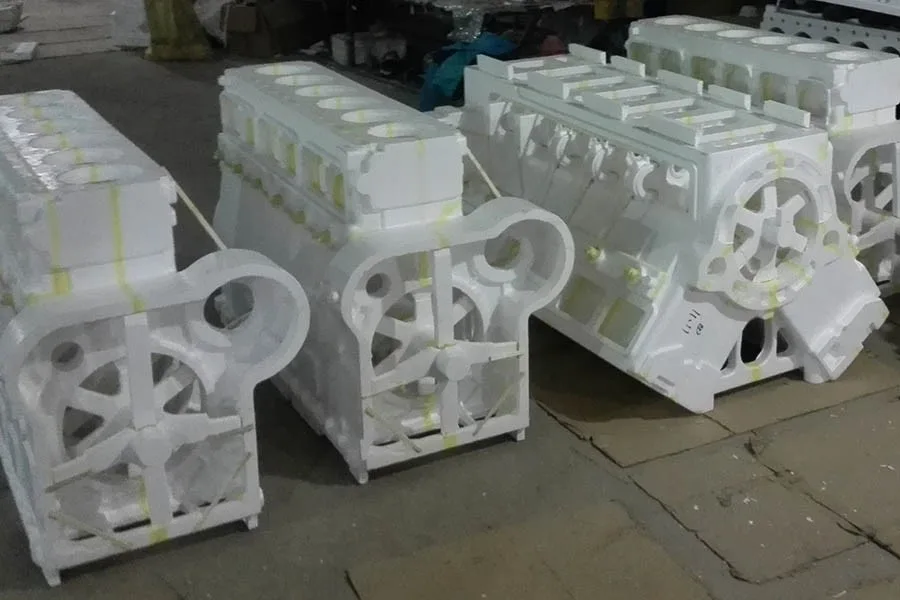
In the realm of metal casting, innovation continues to drive the evolution of traditional techniques. Lost-foam casting stands out as a modern and resource-efficient method that has gained prominence in various industries. This process involves the use of expandable polystyrene (EPS) foam patterns, which are coated with a refractory material and then replaced by molten metal. This intricate process involves creating complex metal parts by evaporating a foam pattern in a mold and replacing it with molten metal. In this blog, we will delve into the details of lost-foam casting, exploring its history, the step-by-step process, advantages, challenges, and its applications in diverse sectors. History of Lost-Foam Casting The roots of lost-foam casting can be traced back to the 1950s, with its development credited to the work of M.C. Flemings. However, it gained significant traction in the 1980s when the automotive industry began adopting this technique for manufacturing intricate and lightweight components. The Lost-Foam Casting Process Pattern Creation: The process begins with the creation of a foam pattern, which serves as a replica of the desired metal part. This can be achieved using various methods, including cutting, molding, or 3D printing. Pattern Assembly: The foam patterns are then assembled into a cluster, forming a tree-like structure called the “foam tree.” This tree represents multiple patterns that will eventually become individual metal parts. Coating: The foam tree is coated with a refractory material to create a shell that can withstand the high temperatures encountered during the casting process. This refractory coating adds strength and stability to the mold. Evaporation: The coated foam tree is placed in a flask, and molten metal is poured into the mold. The heat from the molten metal causes the foam to evaporate, leaving behind a cavity in the shape of the desired part. Solidification: The molten metal fills the cavity, taking the shape of the foam pattern. Once solidified, the metal part is extracted from the mold. Finishing: The cast metal part undergoes finishing processes such as machining and surface treatment to meet the required specifications and quality standards. Advantages of Lost-Foam Casting Complex Geometries: Lost-foam casting allows for the production of intricate and complex metal parts with detailed features that may be challenging to achieve using other casting methods. Reduced Tooling Costs: Traditional casting methods often require expensive molds and tooling. In lost-foam casting, the foam patterns are more cost-effective to produce, leading to significant savings in tooling costs. Material Efficiency: This process minimizes material waste as the foam patterns can be recycled, contributing to a more sustainable and environmentally friendly manufacturing process. Weight Reduction: Lost-foam casting is particularly favored in industries like automotive and aerospace for its ability to create lightweight components, contributing to improved fuel efficiency and performance. Challenges in Lost-Foam Casting Control of Porosity: Achieving a consistent and controlled level of porosity in castings can be challenging. Careful attention to the casting parameters is required to minimize this issue. Dimensional Accuracy: Maintaining precise dimensional accuracy can be a challenge, and factors such as foam pattern shrinkage must be carefully considered during the design phase. Pattern Fragility: Foam patterns can be delicate, and handling them with care is crucial to prevent breakage and ensure the success of the casting process. Applications of Lost-Foam Casting Automotive Industry: Lost-foam casting is widely used in the automotive sector for producing engine blocks, cylinder heads, and other complex components. Aerospace Industry: The aerospace industry utilizes lost-foam casting to manufacture lightweight and high-strength components for aircraft and spacecraft. General Engineering: This casting method finds applications in various engineering fields for producing a range of intricate and customized metal parts. Lost-foam casting stands as a testament to the constant evolution of manufacturing processes, offering a blend of precision, efficiency, and sustainability. As industries continue to seek innovative solutions, the versatility of lost-foam casting positions it as a valuable technique with a bright future in the world of metal casting.
Key Metals used in Metal Casting
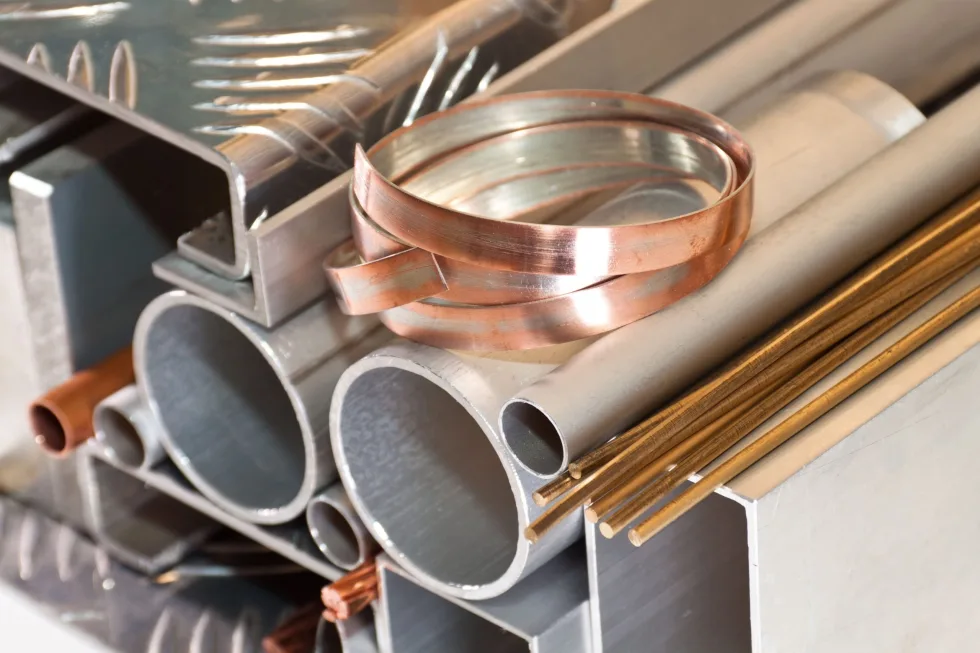
Metal casting is an ancient art that has evolved into a sophisticated science. At its molten core, this process relies on a diverse array of metals, each with unique properties and applications. In this blog post, we delve into the key metals that play pivotal roles in the intricate dance of metal casting. 1. Iron: The Backbone of Metal Casting Foundry Favorite: Iron, with its excellent castability and cost-effectiveness, reigns supreme in metal casting. Gray iron, ductile iron, and white iron are among the versatile forms used in various applications, from automotive components to industrial machinery. 2. Aluminum: The Lightweight Contender Aircrafts to Alloys: Aluminum’s low density and corrosion resistance make it a go-to metal for casting lightweight components. It’s a crucial player in aerospace, automotive, and consumer goods industries. Aluminum’s superb recyclability also aligns with modern sustainability goals. 3. Copper: Conducting Brilliance Electrical Marvel: Copper’s exceptional electrical conductivity makes it indispensable in the casting of electrical components. From wiring to electrical connectors, copper’s malleability and conductivity shine in applications where electrical efficiency is paramount. 4. Steel: The Versatile Workhorse Strength in Diversity: Steel’s strength, durability, and adaptability make it a staple in metal casting. From carbon steel to alloy steel, this metal is molded into a myriad of forms, ranging from structural elements to intricate gears. Its versatility makes it a cornerstone in countless industries. 5. Brass and Bronze: Casting Elegance Artistic Appeal: Brass (copper and zinc alloy) and bronze (copper and tin alloy) bring a touch of elegance to metal casting. These alloys not only offer aesthetic appeal but also possess corrosion resistance, making them ideal for artistic sculptures, decorative elements, and even musical instruments. 6. Magnesium: Casting Lightness Beyond Aluminum: Magnesium takes lightweight casting to the next level. With a density even lower than aluminum, magnesium alloys find applications in industries where weight reduction is critical, such as aerospace and automotive components. 7. Zinc: The Corrosion Resistor Galvanizing Force: Zinc, often used as a coating for corrosion resistance (galvanization), also finds its way into die casting applications. Its low melting point and ability to form intricate shapes make it valuable in casting small, detailed components. 8. Titanium: Aerospace Marvel Strength in the Stratosphere: Known for its exceptional strength-to-weight ratio and corrosion resistance, titanium is a key player in aerospace applications. While its high cost limits widespread use, its unique properties make it irreplaceable in certain high-performance scenarios. Metal casting is a symphony of metallurgical marvels, where each metal plays a distinct role. From the robust backbone of iron to the lightweight finesse of aluminum, these metals are the building blocks of the products that shape our world. As technology advances and sustainability becomes paramount, the role of these key metals in metal casting continues to evolve, promising a future where innovation and tradition seamlessly converge.
Sand Casting: A Comprehensive Guide
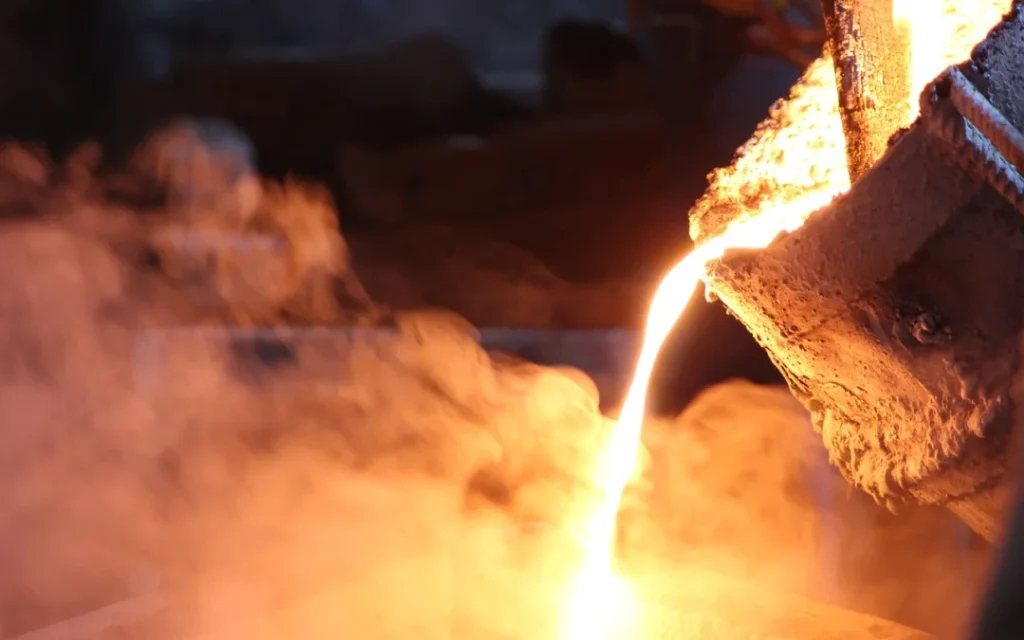
Sand casting, an ancient method of metal casting, has evolved over centuries to become an indispensable process in various industries. This comprehensive guide explores the intricacies of sand casting, its historical significance, the casting process, materials involved, and its wide-ranging applications in specific industries. To provide a holistic view, we’ll also delve into industry statistics, shedding light on the prevalence and impact of sand casting in sectors such as automotive, aerospace, construction, and consumer goods. History of Sand Casting Sand casting has an extensive history that spans civilizations and continents. From the Han Dynasty in China to the Bronze Age in Egypt and Mesopotamia, this casting method has left an indelible mark on human craftsmanship. As we explore its history, we’ll discover how sand casting techniques have evolved alongside technological advancements. Sand Casting Process Pattern Creation: In industries like automotive manufacturing, intricate patterns are crafted to replicate complex components. These patterns, made from materials such as wood, plastic, or metal, serve as blueprints for the sand mold. Mold Preparation: For the automotive industry, the sand used in molding must possess exceptional properties to withstand the high temperatures and pressures during metal pouring. Additives are often introduced to enhance the sand’s refractoriness and permeability. Core Assembly: In aerospace applications, where lightweight and structurally sound components are crucial, sand casting allows for the creation of intricate cores that form internal features of complex parts, ensuring precision and strength. Pouring the Metal: In the automotive and aerospace sectors, aluminum and alloys are popular choices due to their lightweight properties. Precision pouring is essential to achieve the desired structural integrity of the final cast. Cooling and Solidification: The controlled cooling and solidification of metals are critical for maintaining the quality of cast components. Aerospace applications, in particular, demand meticulous attention to detail to meet stringent quality standards. Mold Break and Casting Removal: Post-casting, automotive components may undergo additional processes such as heat treatment and machining to meet specific performance requirements and tolerances. Materials Used in Sand Casting Sand: Industries often employ silica sand mixed with additives, such as zircon or chromite, to enhance its refractoriness. The construction industry, for instance, may use sand casting to produce intricate architectural components. Binders: The selection of binders is influenced by the industry’s requirements. Foundries catering to construction may choose binders that provide better collapsibility, aiding in the removal of the sand mold. Cores: In aerospace applications, metal cores are often preferred for their ability to withstand high temperatures and maintain dimensional accuracy. Metals: For consumer goods manufacturing, sand casting may utilize a variety of metals, including brass and bronze, to achieve aesthetically pleasing and durable finished products. Applications of Sand Casting Automotive Industry: Sand casting is extensively used in the automotive sector for producing engine components, transmission parts, and chassis elements. According to industry statistics, approximately 60% of all castings are used in the automotive sector globally. Aerospace Industry: In aerospace, sand casting plays a vital role in producing components like turbine blades, engine casings, and structural elements. The method’s flexibility allows for the creation of complex and lightweight parts. About 15% of aerospace components are manufactured using sand casting. Construction Industry: For architectural embellishments and structural elements, sand casting offers a cost-effective solution with the ability to replicate intricate designs. Construction industry statistics indicate that sand casting contributes to over 25% of all metal castings used in construction applications. Consumer Goods: In the consumer goods sector, sand casting is employed for manufacturing products like decorative metal items, handles, and fittings, where the aesthetic appeal and durability of the finished product are paramount. Consumer goods manufacturing accounts for approximately 20% of the global sand casting output. Advantages of Sand Casting Cost-Effective: The automotive and consumer goods industries benefit from the cost-effectiveness of sand casting for mass production, allowing for the creation of intricate designs without the high tooling costs associated with other methods. Versatility: In aerospace applications, the versatility of sand casting enables the production of components with complex geometries, meeting the industry’s stringent requirements for lightweight yet durable materials. Simple Tooling: Industries such as construction appreciate the simplicity of tooling in sand casting, reducing initial setup costs and making it an economical choice for producing custom-designed components. Size Range: From small intricate components for consumer goods to large structural elements in construction, sand casting’s ability to accommodate a wide size range makes it a versatile solution across industries. Challenges and Considerations Surface Finish: For consumer goods, achieving a flawless surface finish is crucial for aesthetic appeal. Post-casting processes such as polishing and coating may be required. Tolerances: In aerospace applications, where precision is paramount, achieving tight tolerances may necessitate additional machining processes after casting. Environmental Impact: Industries across the board are increasingly focused on sustainable practices. Efforts to recycle and reuse sand and reduce energy consumption in metal melting processes address environmental concerns associated with sand casting. As we conclude this exploration of sand casting, it becomes evident that this age-old method remains a cornerstone in various industries. Its adaptability, cost-effectiveness, and ability to produce intricate designs make it an invaluable tool for creating components that drive innovation in automotive, aerospace, construction, and consumer goods manufacturing. Embracing advancements in materials and processes ensures that sand casting will continue to play a pivotal role in shaping the future of industrial manufacturing.